A boy in my grade one class, Asher (not real name), is smart, very polite to the teachers, not very talkative but when he smiles every teacher’s heart melts. He is the kind of student that Indonesian teachers want in their class at least ten of him.
Asher has an older sister who is an Indonesian television children actress. He’s just like a male version of his sister, which makes him also pretty good looking (and all teachers agree with me).
So, just out of curiosity, I asked him one morning when he visited my desk to greet me.
“Asher, do you want to be like your sister, you know, appear on TV too, one day?” I ask.
“Naaah,” he replied with a bashful smile.
“What do you want to be when you grow up then?”
He chuckles. “I want to be a YouTuber, Miss.” And he left.
I couldn’t forget about that moment until now. Although I have seen many child YouTubers, I have never witnessed myself that one of my students wants to pursue a career as a “YouTuber”. Not that I disagree with them becoming a Youtuber. But finally it’s dawned on me that the inseparable relationship of children and digital media is real, not only happening in the first world countries.
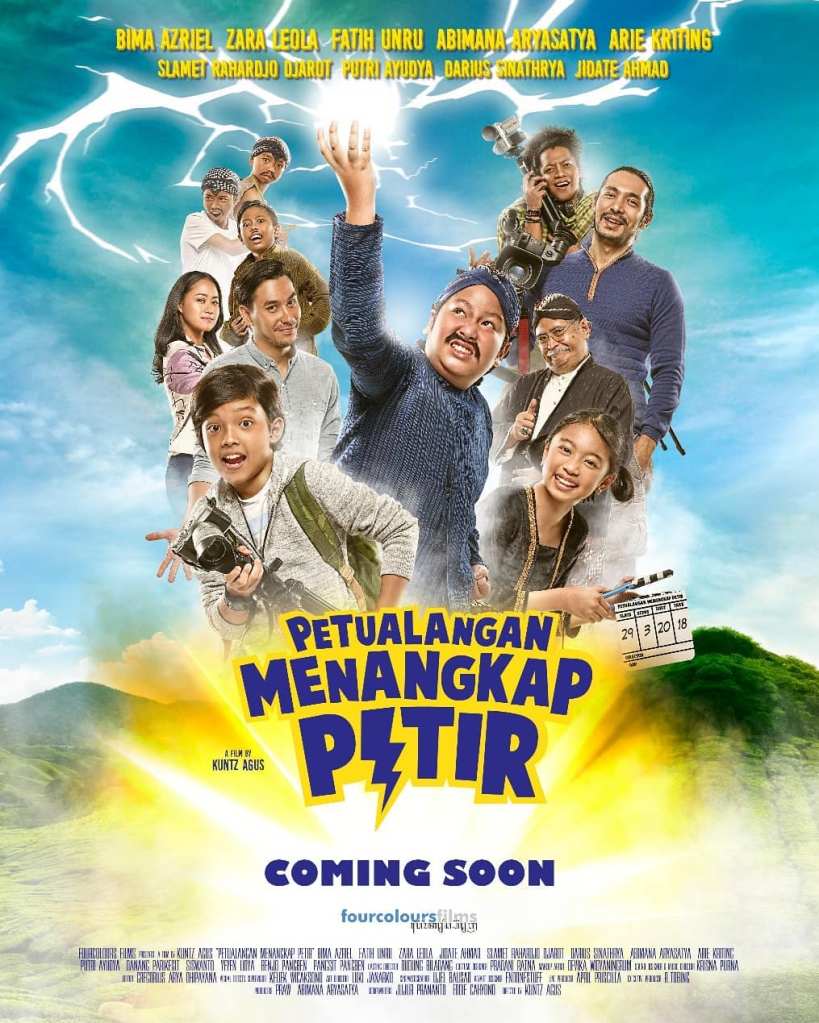
Asher’s incident actually takes me back to an Indonesian children movie titled Petualangan Menangkap Petir (Lightning Catching Adventure) in August 2018.
The film is about a 10-year-old Indonesian boy named Sterling, who has been living in Hong Kong for two years and is apparently, a famous kid YouTuber. He is having so much fun recording vlogs about his life in Hong Kong. Then, he has to move back to Jakarta with his parents and stay temporarily with his grandfather in Selo, a small village. He is upset to the fact that he had to stop vlogging on YouTube for a while because it’s basically his life. In Selo, Sterling becomes best friend with Gianto (or “Giant”), who has a dream to be a superstar. Sterling and Gianto start their adventure together to create a film inspired by the Legend of Ki Ageng Selo, the Lightning Catcher.
In my opinion, the film is incredible. Storywise, it was nothing special: children finally can convince their parents to achieve their dream. For me, it is more than that. My undergraduate thesis was about children film, so I couldn’t stop myself from thinking about portrayals and interpretations when I watch children movies.
When I watched it one and a half year ago in the cinema, I was being critical about how they represent the parent-children relationship in the film. Sterling parents are supportive for Sterling’s YouTube-ing, but at the same time, they are overprotective and demand Sterling to also play with friends in “real life”. On the one hand, Sterling’s dad concerns about Sterling having no real friends and wants Sterling to have a “balanced” life online and offline. On the other hand, Sterling’s mom worries about Sterling getting hurt if he plays outside too much or doing “dangerous” experiments for his vlogs.
Recent Indonesian children movies that involve parents and children mostly have this kind of representation of parents. They seem to want their kids to go outside and play because they stay at home too much, occupied by their devices and online activities. Three years of teaching children aged 5-7, I have seen this type of parents in real life as well. I think the issue for parents is not on how they have to provide more offline play for children. Instead, they should focus on how to accommodate the change in children’s play that is inclined towards more online or digital now to support their development. In my opinion, this could be related to media panic, or the way adults and parents view digital media as disadvantaging younger generations.
But that was yesterday when I was a teacher. What about now?
After rewatching the film again today, I was mesmerized again by the film. Particularly, on how the film represents the relationship between children and the media through filmmaking. It’s like watching a film in a film. The film is packed with culture, critical, creativity, and curation (the four Cs!). There are lots of multimodality on Sterling and Gianto’s film in the film as well as the film itself. Filmception, isn’t it??
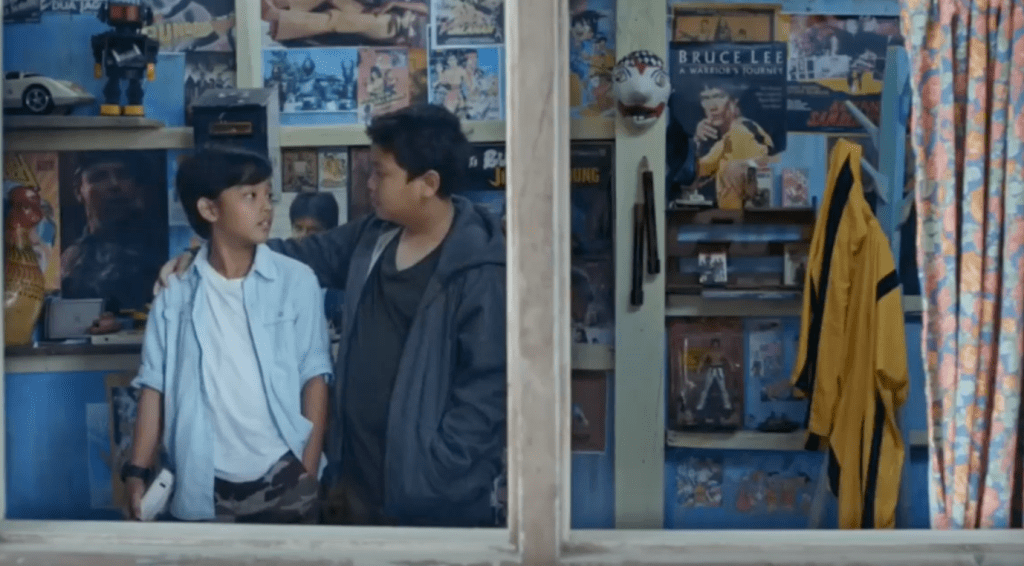

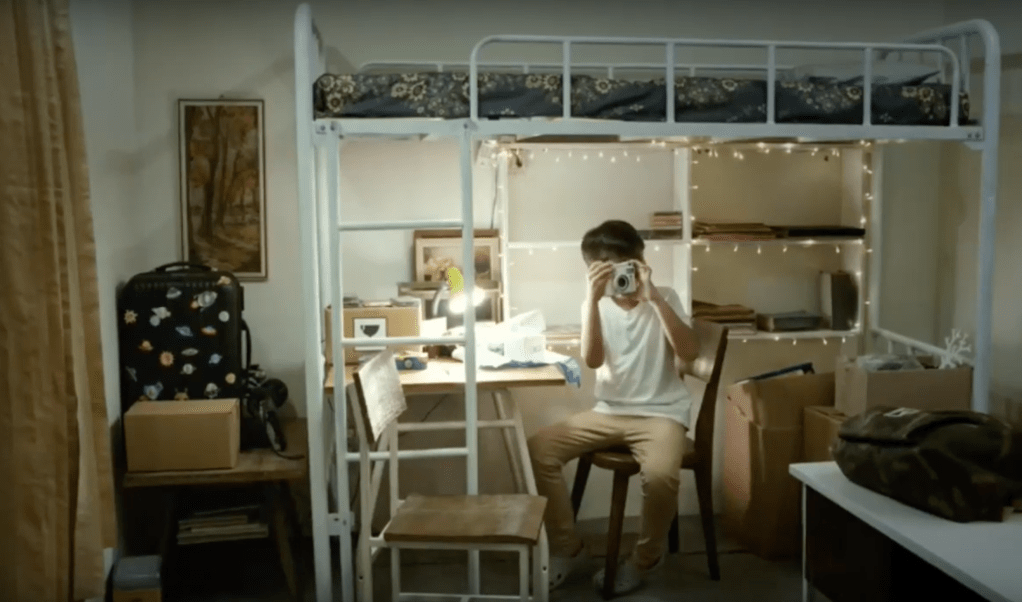
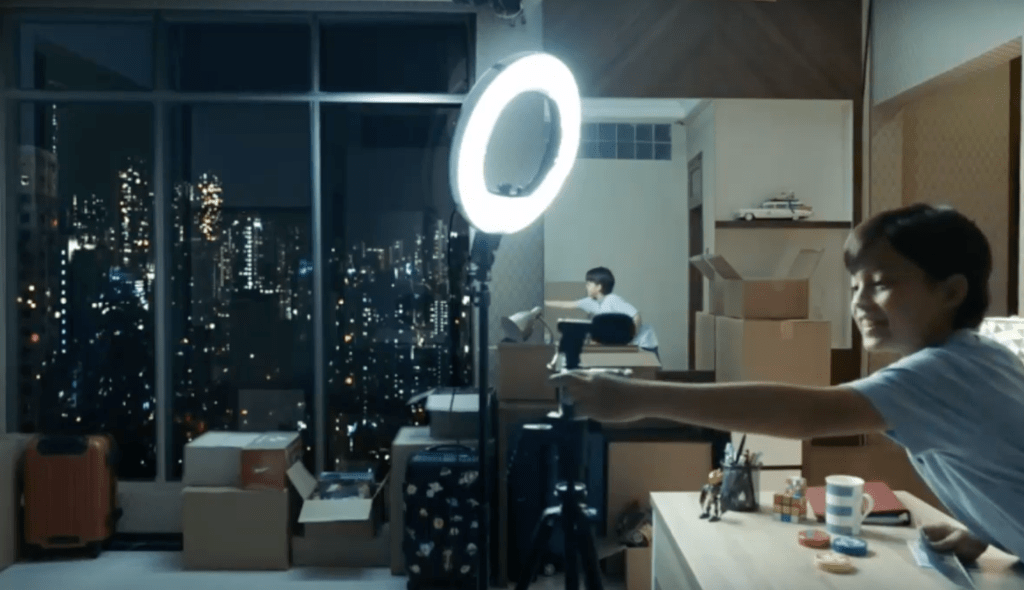
There’s one particular scene that I like about the film. It’s during the first part of the film when Gianto watches Sterling recording a vlog on his smartphone while taking a break from their walk. (All dialogues are translated into English)
Giant: “What are you actually doing by recording things like that, Ling (shorten version of ‘Sterling’)? Are you a film director?”
Sterling: “Film director?”
Giant: “Yes. Remember, Ling, being a film director is not only about shooting and recording stuff randomly… but he has to be able to make meaning from what he is shooting.” (Giant walks) “And the film must be watched by many people. If you make film and you watch it for yourself then you should just make a wedding video, Ling. As long as the couple and their family happy with the video, then you’re a success.”
Sterling: “Here are my videos. They got ten-thousand, even hundred-thousands of views.” (He shows Gianto his videos on YouTube.)
Giant: “Crazy…!” (He laughs)
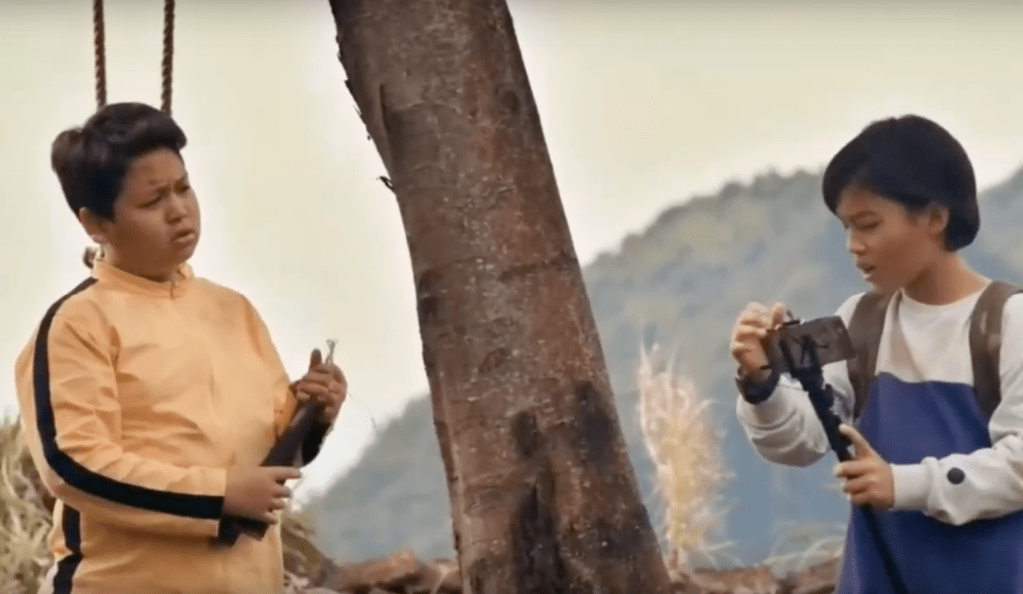
Okay, Giant, seriously, are you graduated from this MA programme I am taking now? Haha. He got the point of making meaning in filmmaking! That very scene is what leading them to make their own film.
I also like the way the film portray the filmmaking (or sometimes vlogging), by depicting different kinds of screens. It represents how Sterling engage with digital media, pursuing what he really likes to do in his life.
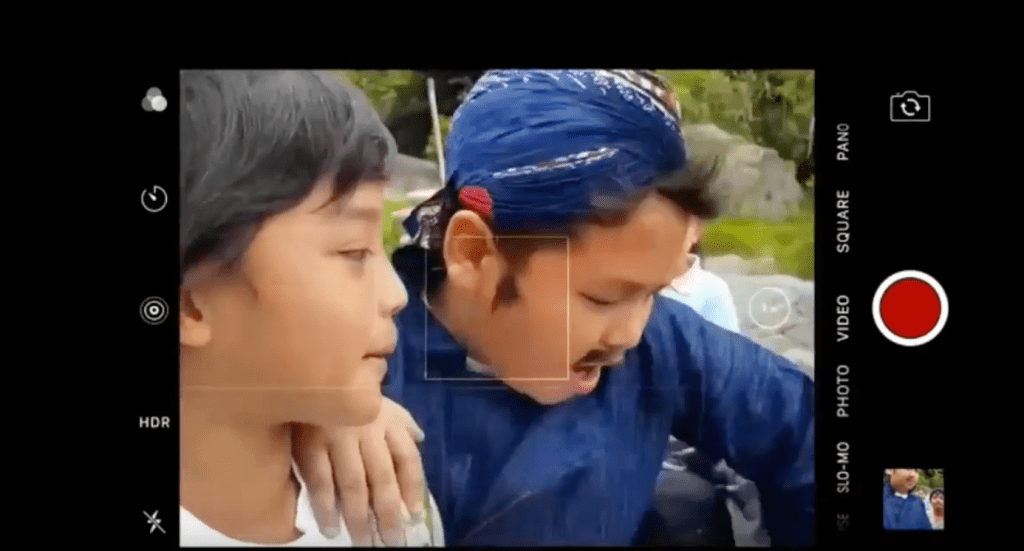
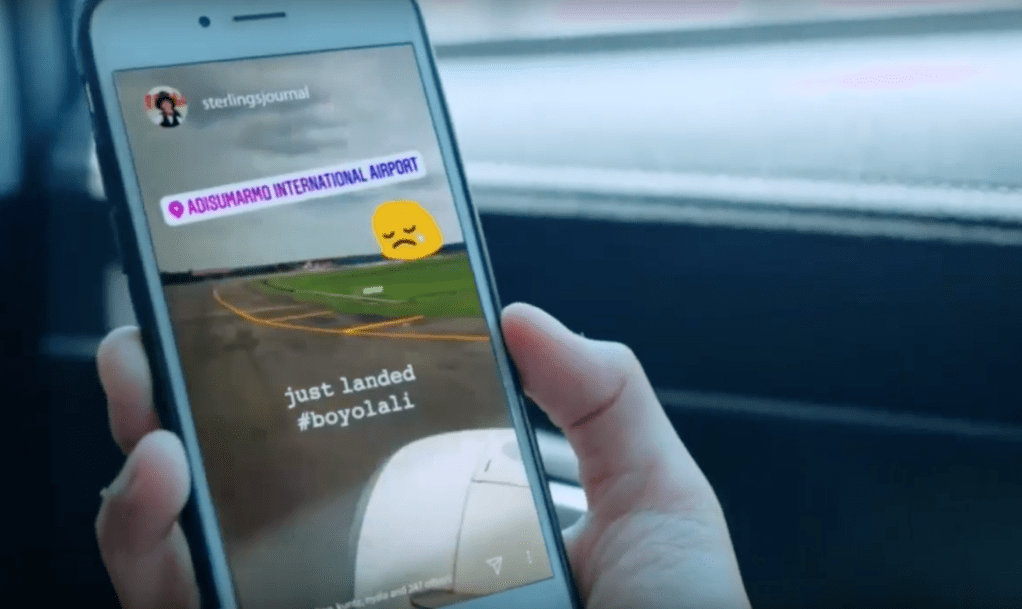
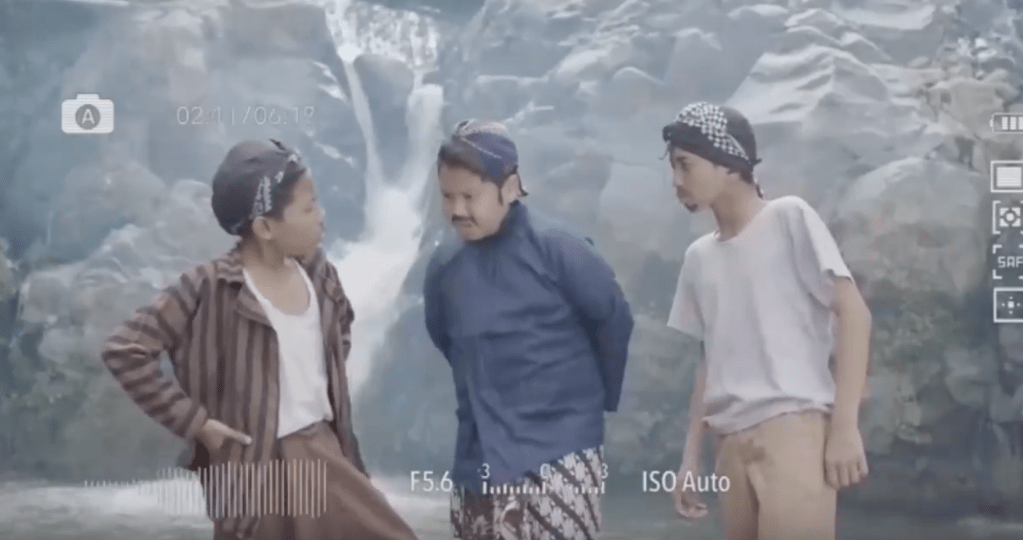
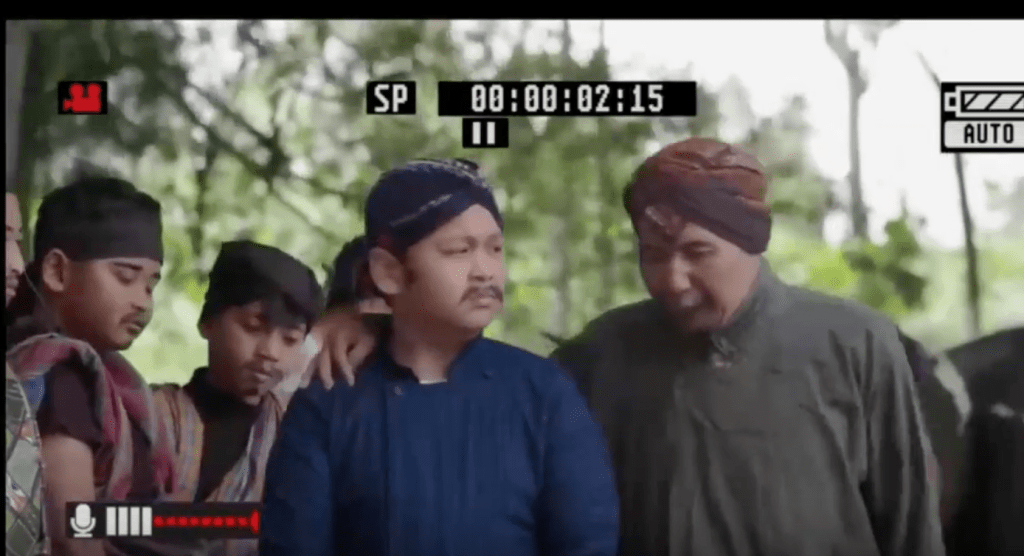
There are many things about how Sterling and Giant make their film that I want to discuss but I think it’s better to dedicate another post for that.
Remember, Ling, being a film director is not only about shooting and recording stuff randomly…but he has to be able to make meaning from what he is shooting.
GIANTO
I just want to point out about how I review a film back then and now is entirely different. I was a teacher but currently a student studying MA Digital Media. Now I understand how my position affects the way I perceive things and the way I decide what to be critical about. I think that education should develop children to have that skill—to be able to make their own decision and to create their own perception on something.
For example, in Asher’s case, if he wants to be a YouTuber, I hope he knows his purpose of being a YouTuber and the meaning he conveys in his video. Just like what Gianto said about the importance of meaning-making in producing film or video. The meaning doesn’t have to be very deep and philosophical; it needs to be beyond just capturing videos.
In the future, if there are more kids like Asher (I’m sure there will be), I want to be a person who can accommodate them with skills they need to produce meaningful media.
Image sources:
 Not a food blog
Hi Candyapple, I enjoyed reading about Asher and his dreams. A comparative study of YouTubers from around the world would indeed make for an interesting read. It also got me thinking about how few films I’ve seen that feature social media or are based in some way in the media landscape we all inhabit. Besides Charlie Brooker’s Black Mirror, the absolutely brilliant ‘The Social Network’ which looking back was remarkably prophetic, I struggle to think of recent films that derive interesting narrative from our digital world.
LikeLiked by 1 person
Hi, Tony! Thanks for reading my blog post and the film recommendations as well! I’ve watched Black Mirror’s episode on social media (I think it was Nosedive episode) and it was excellent! The Social Network is on my next watch list too.
‘Searching’ (Aneesh Chaganty, 2018) is definitely worth a watch if you’re looking for a film revolves around social media and identity.
LikeLike