I sent students out to fast food restaurants, shopping malls, museums, and other sites of cultural pedagogy, helping them to grasp ordinary life as a teaching tool.
Joseph Progler on Teaching the Ordinary: What’s in a Chair
The concept of “ordinary” mentioned in the quote attracts me. As a teacher, I agree that taking an example from our everyday life—or our ordinary life—is the simplest yet the most important teaching material I think teachers should start to recognise.
I quoted the statement from an essay published on Radical Teacher, written by Joseph Progler, who is actually one of the people that make an impact in my life—he was my supervisor for my undergraduate thesis. Oh, he’s also a Godzilla fan. He was the one who told me to follow my passion, when I was confused between choosing to apply to this Digital Media MA or another education MA programme. He saw right through me I guess?
In the publication, he told his experience in teaching teachers, when he used an ordinary object, a chair, to unpack its meaning in terms of social class, gender, politics, and economy.
I haven’t contacted Professor Progler for a while, since last time I emailed him to write me a recommendation letter for applying to UCL (wow so long ago huh). So, this time I would like to use this opportunity to write something related to his teaching method that inspires me.
To do that, I’d like to take you to few years back when I was finishing my undergraduate degree, during my last semester in seminar class for thesis writing. There are two methods in which he also applied teaching the ordinary to us, his seminar students.
Blogs / Online Journal
During our last year of undergraduate study, he asked us to keep a weekly online journal/blog through Blackboard (similar to Moodle). The purpose of the journal is to write any progress or anything that we did during the week that was related to our thesis. The journal was private between him and the student (other students couldn’t access).
My blog posts were mostly about journal articles or book chapters that I read, my “experiment” in analysing films, and my doubts on film choices for analysis or my decisions. He would comment on every post, giving ideas, support, and sometimes gave film lists that might be useful for my references. I forgot to tell you, my thesis topic was about father representation on films.
This method of keeping a blog where we could see our own progress is reflecting our ordinary life. We are all now engaged in social media, we often connect with others through posting content online.
But blogging for thesis at that time was actually a bit nerve-wracking for me and my friends because we thought it was like a “homework” for us, although I think it wasn’t supposed to be one (lol).
Dinner
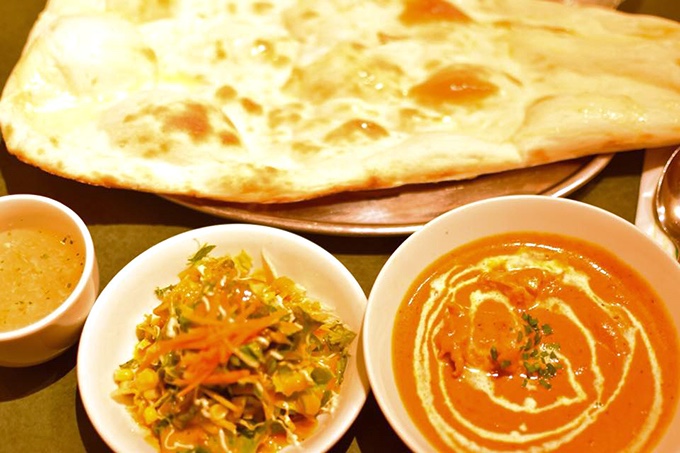
His other way of teaching the ordinary is through casual dinner. Like the quote at the beginning of this post, Professor Progler did take his seminar class out for dinner once a month. Pondering about it now, the way he engaged with us in a casual way implies that what we actually learned outside classroom is not less important than our thesis.
In fact, I learned so much more through this casual dinner. I learned more about popular culture from other countries (our seminar group was pretty diverse in terms of nationality), about experiences in academic, about career, about our interests. I also learned that casual conversation with the right group of people can turn into a hearty discussion.
Writing thesis was so overwhelming for us undergrad students. At the beginning of the second semester of our last year, he told us that the most important thing as an undergraduate student in writing a thesis is how we finish what we have started. In other words, it is not the result that we should worry about, but the process itself—how we actually practice to commit on carrying something until the end. I think it’s a life-long lesson. Since that time until today, I will always decide wisely before doing something because I am going to finish that.
Remembering that writing a ten-thousand-word thesis was such a hard and painful work, building relationship within the seminar group is actually one way to create a support system to go through the hardships together, not only our relationship with Professor Progler but also among the students. That time, I was pretty close with my seminar classmates and we would work on our thesis together and ate out during our free times.
And I think it is one of Professor Progler’s intentions behind taking us to dinners and writing blogs—for us to grasp ordinary life as a learning.
This whole idea of “grasping ordinary life” made me reflect upon this MA programme I am taking. It is also about “grasping the ordinary life as a teaching tool”, not with a chair though, but more specific into popular culture like films, TV programmes, and even this very blog. All of these cultural artefacts have become our ordinary life.
the most important thing as an undergraduate student in writing a thesis is how we finish what we have started.
On my last post about my students watching children’s film, Michelle (my current dissertation supervisor) commented that instead of worrying about why my students get bored watching the film, there’s a bigger concern I should think about: how to apply film education approaches in learning and education, that goes beyond just watching films.
Again, that approach is about implementing what’s ordinary as a teaching tool—unpacking the ordinary to reveal the unknown.
Here’s my seminar class picture with Professor Progler.
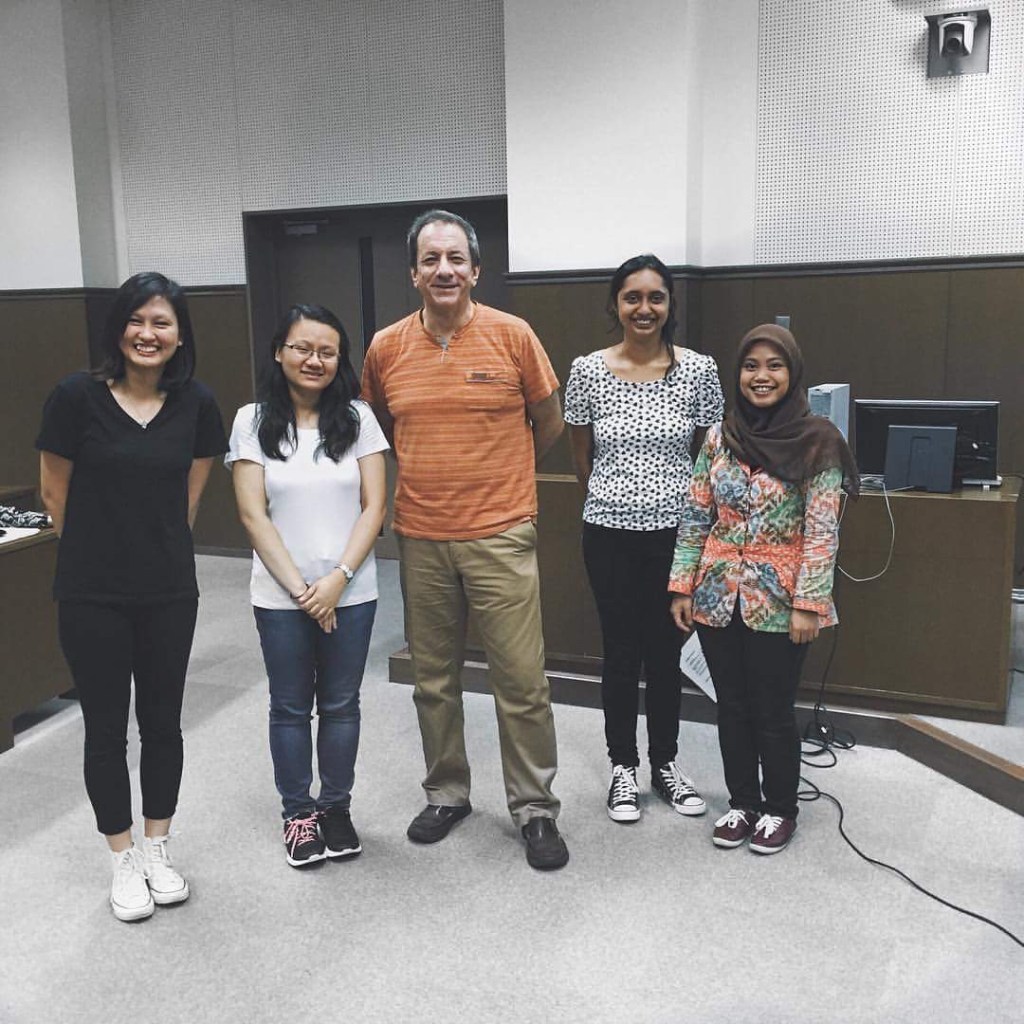
I am thankful to be part of his seminar class. Thank you, Prof, for being an inspiration and motivating me to follow my passion and go on this path through your way of teaching.
This is my teacher’s story. How about you? Do you have someone that inspires and motivates you to become the person you are?
P.S. I really recommend you to read the essay. It is only one page long and very interesting. Click here to access.
He’s also managing a website featuring essays on film critiques and representations, called TV Multiversity. It also features my undergrad thesis essay.
 Not a food blog
One thought on “My (extra)ordinary teacher”